
Energy Efficiency
Solar Panels for Home in India: What Should You Know Before Installing?
Planning rooftop solar for your home? Learn how home solar works, how to choose the right system, what affects performance and what to check before installation.
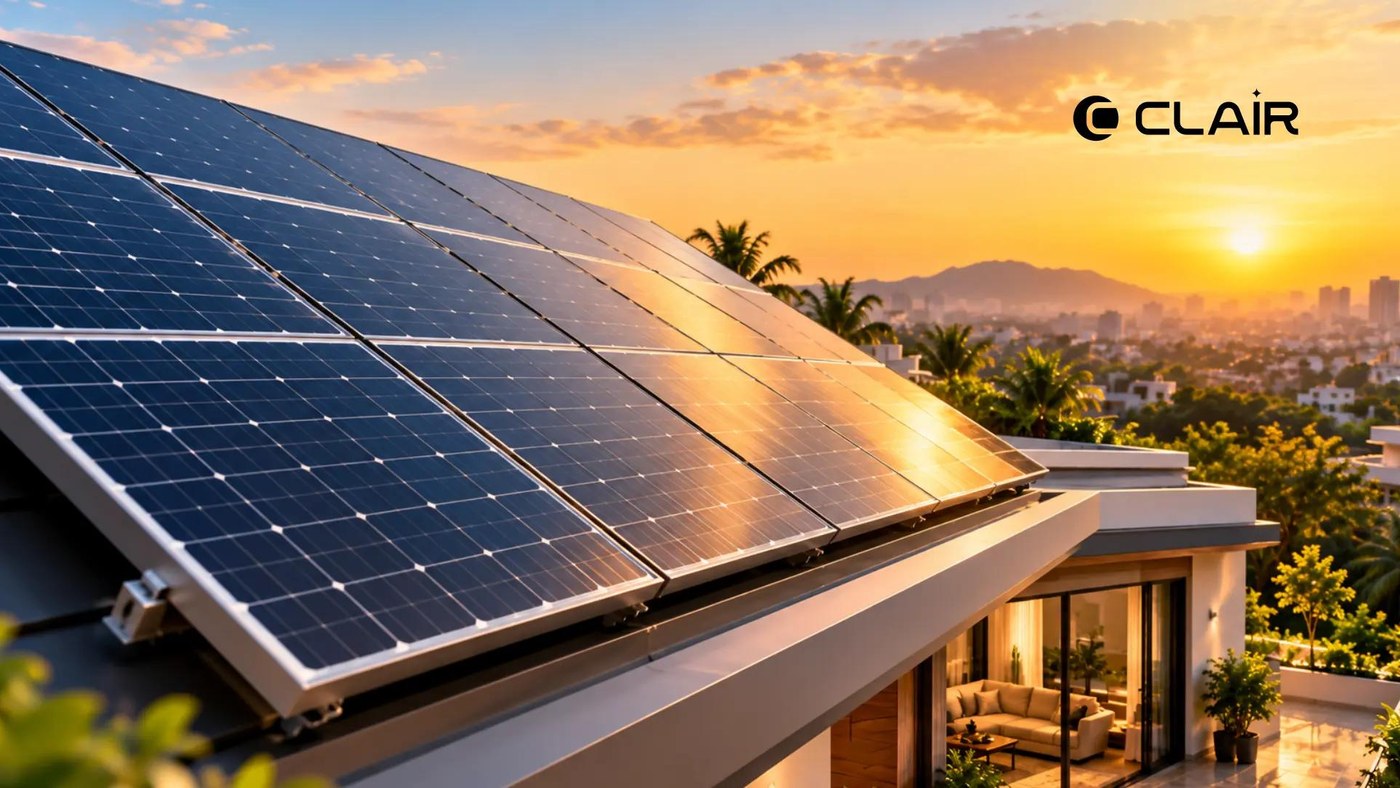
Solar panels are becoming a much more familiar sight on Indian rooftops.
But deciding to “go solar” is only the beginning.
How large should the system be? Is your roof suitable? What happens when the sun is not shining? Does every solar panel perform the same way? And how should you compare two installation proposals?
These are important questions because a rooftop solar system is not simply a set of panels placed on a terrace. It is an electrical system expected to generate power reliably for years.
And more Indian households are making that decision.
Under the PM Surya Ghar: Muft Bijli Yojana, nearly 39.72 lakh rooftop solar systems had been installed by 22 July 2026, benefiting more than 48 lakh households.
So before choosing solar panels for your home in India, it helps to understand how the entire system works.
How Does Rooftop Solar Work?
The basic idea is simple.
Solar panels receive sunlight and generate direct current electricity.
An inverter converts this electricity into alternating current that can be used by the appliances in your home.
In a grid-connected rooftop system, your home can use the solar electricity being generated during the day. Depending on the system, applicable regulations and metering arrangement, surplus generation may also be exported to the electricity grid.
So the complete system involves more than the panel itself.
It can include:
Solar modules
Inverter
Mounting structure
DC and AC cables
Protection equipment
Metering
Earthing
Connectors and electrical components
A reliable rooftop system depends on how well all these parts work together.
Planning solar? Look at the complete system, not only the panel.
Start With Your Electricity Consumption
One of the most common mistakes is choosing a solar system simply because someone recommends a particular kW size.
Your requirement should begin with your electricity usage.
Look at your electricity bills across several months rather than one unusually high or low month.
Consider:
Average monthly consumption
Daytime electricity use
Seasonal changes
Air-conditioner usage
Future appliances
Possible EV charging
Available roof area
A home consuming more electricity will generally need a larger solar system to offset a greater share of that consumption.
But bigger is not automatically better.
The objective is to design a system around your actual requirement.
Is Your Roof Suitable For Solar Panels?
Having an empty terrace does not automatically mean every part of it should be covered with panels.
The installation team needs to understand the roof itself.
Important factors include:
Available Area
There needs to be enough usable space for the required number of modules while still allowing safe access.
Shade
Nearby buildings, trees, water tanks and other structures can reduce the sunlight reaching panels during different parts of the day.
Orientation And Layout
Panel position and system layout influence how effectively available sunlight can be used.
Structure
The mounting system must be suitable for the building and local environmental conditions.
A proper site assessment should therefore come before the final system recommendation.
Not Every Solar Panel Is The Same
Two modules may look almost identical from the ground.
Their specifications may not be.
When comparing solar panels for home use, look beyond the wattage printed on the product.
Factors worth understanding include:
Efficiency: How effectively the module converts available sunlight into electricity.
Rated output: The nominal power rating of the panel under specified test conditions.
Temperature performance: Solar modules operate outdoors, so performance under higher temperatures is relevant in Indian conditions.
Product warranty: Covers specified manufacturing or product issues according to the manufacturer's terms.
Performance warranty: Relates to the expected output of the module over time.
The right choice depends on available roof area, system design, budget and long-term expectations.
That is why comparing only the ₹/watt figure can give an incomplete picture.
The Inverter Matters Too
Panels receive most of the attention because they are the most visible part of rooftop solar.
But the inverter plays a central role.
It converts the DC electricity generated by the modules into AC electricity that your home can use.
Its capacity, compatibility, efficiency, protection features and installation therefore need to match the rest of the system.
A good rooftop solar proposal should explain the panel and inverter together, rather than treating the inverter as a minor accessory.
Wiring And Electrical Safety Cannot Be An Afterthought
Solar is also an electrical installation.
The system may operate outdoors for years while being exposed to sunlight, heat, wind and changing weather conditions.
That makes appropriate cables, connectors, earthing, protection devices and installation practices essential parts of the project.
This is especially relevant to Clair's wider electrical ecosystem.
From solar generation to wiring and illumination, performance depends on the connections between products, not just the individual product visible on the roof.
What About The PM Surya Ghar Subsidy?
Government support has played a major role in accelerating residential rooftop solar adoption.
The PM Surya Ghar: Muft Bijli Yojana is intended to support rooftop solar adoption among residential electricity consumers with grid-connected electricity connections.
The scheme provides Central Financial Assistance for eligible residential installations. Under the published subsidy structure, support is ₹30,000 per kW for the first 2 kW and ₹18,000 for the additional third kW, with the standard subsidy capped at ₹78,000 for systems of 3 kW or above. Eligibility and current terms should always be checked through the official scheme portal before purchase.
This is also why homeowners should check:
Vendor eligibility
Applicable module requirements
DISCOM process
Net metering requirements
Current subsidy rules
Required documentation
before finalising an installation.
Do Not Buy Solar On One Number
Solar marketing can quickly become a collection of numbers.
Higher wattage. Higher efficiency. Lower ₹/watt. Longer warranty. Faster payback.
Each number can matter.
But none of them should be considered alone.
The more useful question is:
How well has the entire rooftop solar system been designed for your home?
A slightly different panel, inverter or system size may make more sense depending on your roof, electricity consumption and installation conditions.
Solar Is Becoming Part Of The Electrical Ecosystem
India's rooftop solar growth is changing the role of a building.
A roof is no longer just protection from the weather.
It can also become a place where electricity is generated.
For electrical brands, that creates a much larger responsibility.
The future is increasingly connected:
Solar generates the energy.Wires carry it. Electrical systems distribute it. Illumination and appliances use it.
For Clair, entering solar is therefore not an isolated category expansion.
It is another part of building a more complete electrical ecosystem around how modern spaces generate, connect and use power.
Clair. From connection and energy to illumination.
FAQs
1. How do I choose solar panels for my home in India?
Start with your electricity consumption, usable roof area and site conditions. Then compare panel specifications, inverter compatibility, warranty, installation quality and the complete system proposal.
2. How many solar panels does a house need?
The number depends on the wattage of each module and the total system capacity required. System size should be calculated using electricity consumption, roof availability and the desired level of solar generation.
3. Can rooftop solar reduce my electricity bill?
A grid-connected rooftop solar system can reduce the amount of grid electricity you need to purchase by generating electricity for household use. Actual savings vary by generation, consumption pattern, tariffs and metering arrangement.
4. Is there a government subsidy for home solar panels in India?
Eligible residential consumers can receive Central Financial Assistance under PM Surya Ghar: Muft Bijli Yojana. Current eligibility and subsidy conditions should be verified on the official portal before installation.
5. What should I check before installing rooftop solar?
Check your roof, electricity consumption, shade, system size, solar module specifications, inverter, warranties, wiring, installation quality, applicable approvals and after-sales support.